
By Charles West May 7, 2026
Running an HVAC business means living by the calendar. When summer hits, or a cold snap rolls through, your phones light up, your technicians are stretched thin, and every scheduling decision carries real financial weight. Miss the window, and you lose customers to faster competitors. Overstaff a slow stretch, and your margins take the hit. The challenge isn’t just surviving peak season — it’s building a business that runs smart all year long.
Understanding HVAC seasonal scheduling isn’t a nice-to-have skill. It’s a core competency for any HVAC company that wants to grow sustainably, retain good technicians, and deliver consistent service quality no matter the weather.
Why HVAC Demand Follows Such Predictable Patterns
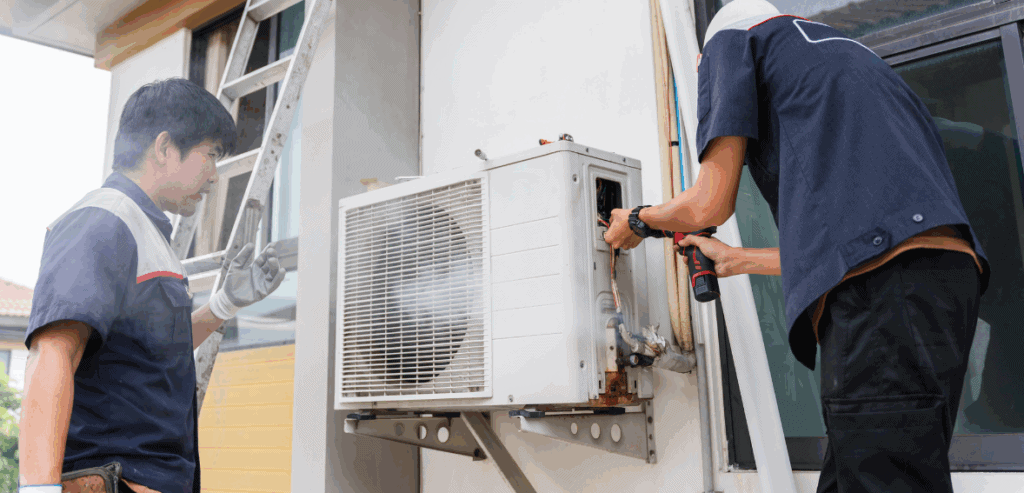
HVAC demand is weather-driven, and weather follows seasons. That makes your busiest periods largely predictable — even if the exact timing shifts slightly from year to year. Most HVAC businesses see two major peaks: one in late spring through summer for cooling systems, and another in early fall through winter for heating systems. Between those peaks sit the shoulder seasons — spring and early fall — when demand softens but doesn’t disappear entirely.
Shoulder seasons are often overlooked. Homeowners and business clients alike schedule their preventative maintenance during pleasant/less extreme weather. This results in an unvarying stream of not-so-urgent tasks. Companies that consider the shoulder season downtime are missing a significant revenue opportunity. Considering the shoulder seasons as maintenance agreement-building time, operator-training time, and time to address overdue equipment enhancements are all great ways to gain an advantage.
Understanding your local climate patterns matters just as much as national trends. An HVAC company in Phoenix faces an entirely different peak structure than one in Minneapolis. Regional weather data, combined with your own historical call volume, gives you a far more accurate scheduling foundation than industry averages alone.
The Real Cost of Getting Seasonal Staffing Wrong
Understaffing during peak demand creates a cascade of problems. Response times stretch out. Technicians get fatigued and cut corners. Customers who can’t get same-day or next-day service call a competitor — and many won’t call back. One bad peak season can unravel years of positive reputation.
Slow periods with overstaffing are destructive as well, even if it is a quieter type of destruction. Idle labor directly results in cash flow losses. Technicians who are not busy lose engagement. Some will even start to see which types of employment are more permanent. High turnover in the HVAC industry is very costly — recruiting, onboarding, and training a new field tech can cost thousands of dollars and they won’t even complete their first solo service call.
Cash flow in a seasonal trade carries a timing problem on top of a volume problem: payroll for a July heat wave goes out weekly, while the revenue from that same work lands whenever the invoices actually clear — so a thirty-day collection lag means peak-season labor is effectively financed out of shoulder-season reserves. Tightening seasonal HVAC service billing so payment is captured at the job rather than chased in the slow month is what keeps a strong summer from becoming an autumn cash squeeze.
The goal of smart HVAC seasonal scheduling is to match your workforce capacity as closely as possible to actual demand — without sacrificing the flexibility to respond when demand spikes unexpectedly. That requires both data and strategy.
Building a Demand Forecast That Actually Works

Every effective scheduling system starts with historical data. Pull your call volume, job completion records, and revenue figures from the past two to three years. Break them down by month. You’ll likely see your peak months and shoulder months stand out immediately. Layer in your no-show and cancellation rates, your average job duration by service type, and your technician utilization rates.
Analyze how your baseline compares to outside factors. Forecasts of the weather, especially the extended prediction results from the National Oceanic and Atmospheric Administration (NOAA) can let you know early of abnormal heat or cold that can increase the demand. Local business and construction activity, big contract renewals, and even the nearby economic environment can affect HVAC call volumes. Your historical data will not identify these effects.
This kind of structured forecasting transforms HVAC seasonal scheduling from gut instinct into a repeatable business process. It lets you make staffing decisions weeks or months in advance, rather than scrambling when the heat index climbs.
Staffing Models That Flex with the Season
Tiered Technician Workforce
One of the most effective approaches to seasonal HVAC staffing is a tiered workforce model. Your core team consists of full-time, year-round technicians who handle your baseline service volume and your most complex jobs. Around that core, you build a second tier of part-time or seasonal technicians who can be brought on as peak seasons ramp up.
This model is optimal if you have a steady relationship with dependable seasonal techs for the off-season. A light work schedule or making them a priority for temporary work is a better option than trying to hire new techs when demand is busiest. When you create a new job post, run an interview, set up a background check, and get someone fully onboard, the peak demand is likely gone.
Cross-Training and Multi-Skilled Technicians
Cross-training your technicians to handle both heating and cooling systems is one of the most cost-effective investments an HVAC company can make. Techs who are proficient in both disciplines give you far more scheduling flexibility. During a heating peak, everyone contributes. During a cooling peak, the same is true. Cross-training also makes your full-time staff more valuable and more competitive in the job market, which supports retention.
Subcontractor and Partnership Networks
An effective overflow strategy for the HVAC industry is partnering with trusted subcontractors and nearby HVAC firms. Some companies take this a step further by creating a mutual-referrals contract. Essentially, the contract states that during their slow cycle, each company sends its overflow HVAC work to the other because, in the near future, the equilibrium will be restored. In this overflow strategy, quality of service won’t be guaranteed unless you perform the requisite choices. But it’s preferred over losing clientele and making unfulfilling promises.
HVAC Seasonal Scheduling Systems That Keep Your Team Efficient

Technology plays a major role in modern HVAC seasonal scheduling. Field service management platforms help dispatchers optimize technician routes, track job status in real time, and automatically manage customer communication. That efficiency directly translates into more jobs completed per technician per day during peak demand — without adding headcount.
ServiceTitan
HVAC field service management software centers on ServiceTitan. In addition to scheduling and dispatching, it also offers CRM and performance reporting capabilities. During high-demand periods, its software features automated scheduling to streamline technician movement between jobs, reducing dispatching lags. Performance reporting provides managers with the opportunity to review scheduling issues before scheduling gaps occur. If your dispatching requires substantial manual coordination, the ServiceTitan platform is worth considering.
Housecall Pro
Mobile-first scheduling, customer booking portals, and automated follow-up messaging make Housecall Pro an ideal option for HVAC businesses. Your administrative load during high-volume periods is reduced considerably. If your office staff is engaged in back-to-back calls during heat waves, automated confirmations and reminders can replace hours of manual follow-up.
Shoulder Season Strategy: Don’t Waste the Slow Stretch
The shoulder seasons — typically spring and early fall — are where well-run HVAC companies separate themselves from average ones. Rather than simply waiting for the next peak, smart operators treat these periods as strategic investment windows.
This is the time to aggressively push maintenance agreement sales. A customer who signs a semi-annual maintenance contract provides predictable revenue and fills your shoulder-season schedule with planned work. It also creates a loyalty relationship that makes them far less likely to call a competitor when peak demand hits and service windows are tight.
These seasons should also be used to plan technician training and certifications. This is a good time to send your techs to manufacturer training, to attend the EPA cert refresher, and take the NATE courses. This grows your workforce during slow periods without taking your billable techs off the schedule during busy times. NATE is the leading certification for technical talent in the HVAC industry. Companies with NATE-certified technicians demonstrate a high degree of professionalism and competency to your potential commercial and residential clients/customers. This is a win for your business and the potential clientele/customers you will earn.
Equipment and vehicle maintenance also belong in the shoulder-season calendar. Vehicles that break down during summer peaks cost you far more in emergency repairs and lost productivity than a scheduled service during April ever would.
Communication Is Part of Your Scheduling Strategy
Everyone has some level of intuition about when your services are available if you communicate with them. Contact your customers about their schedules as their busy time approaches to coordinate schedules with them. As your busy service season approaches, send a quick reminder to customers to book their service as appointments may restrict availability. Many customers appreciate opportunities to book in advance; you can use this as an incentive. Rewarding customers with incentives can help to shorten your service demand.
Internally, keep your technicians informed about the seasonal forecast and scheduling plan. Techs who know a busy stretch is coming can mentally and logistically prepare. Those who are surprised by a sudden workload spike are more likely to burn out or make errors.
Conclusion
HVAC seasonal scheduling is ultimately about preparation, data, and flexibility. Peak seasons will always be demanding. Shoulder seasons will always bring slower days. The companies that manage both well aren’t lucky — they’ve built systems that translate weather patterns and historical data into smarter staffing decisions, supported by technology and a workforce model that can scale up or down without breaking.
Getting this right protects your service quality, technician retention, and profitability year-round. Start with your historical data, invest in the right scheduling tools, treat the shoulder season as a strategic opportunity, and build the kind of workforce relationships that let you scale quickly when demand spikes. That’s how HVAC companies grow from reactive to resilient.
Frequently Asked Questions
What is HVAC seasonal scheduling?
HVAC seasonal scheduling refers to the process of strategically planning technician staffing, service capacity, and job dispatching around the predictable peaks and slow periods that characterize HVAC demand throughout the year. It involves using historical data and demand forecasting to align workforce size with expected call volume at any given time.
How far in advance should HVAC companies plan for peak season staffing?
Most HVAC operators benefit from starting their peak-season staffing planning at least 8 to 12 weeks before demand typically ramps up. This allows enough time to identify staffing gaps, bring on seasonal technicians, complete onboarding, and make any necessary equipment or vehicle preparations.
What’s the best way to keep technicians engaged during the HVAC slow season?
Keeping full-time technicians productive and engaged during slow periods means filling their schedules with maintenance agreement work, training, and internal projects rather than reducing hours. Investing in certifications, cross-training, and professional development during the shoulder season gives techs a reason to stay while building skills that pay off during the next peak.
Do maintenance agreements really help with HVAC seasonal scheduling?
They do significantly. Maintenance agreements create predictable, pre-scheduled work that fills gaps during shoulder seasons and locks in customer loyalty before peak demand hits. Companies with a strong maintenance agreement base have a more stable revenue floor and a more manageable schedule year-round than those relying entirely on reactive service calls.